How Do Creativity & Curiosity Affect the Libido?

When you think about things you could do to boost your libido, you probably don’t immediately think of creative activities, like playing the guitar or painting a landscape. But I’m increasingly convinced that these types of pursuits are a factor in how high or low my sex drive is at any given time.

My friend Bex often describes curiosity as a contributor to his sexuality, in that when his life lacks things to be curious about, he feels less excited about life in general – including sex. It was difficult to organically stumble upon things to be curious about during the pandemic, since so many of us were confined to our homes or at least our routines. He’s finding that his libido is reawakening now that he’s able to be back out in the world, doing stuff, meeting people, having adventures, learning new things.

This makes total sense to me, and also reminds me of how I feel about creativity. In my youth, when I was a prolific songwriter, I often felt most inspired by the situations that made me feel the most sexually frustrated or excited – and, likewise, the feeling of being creatively inspired and “juiced up” often seemed to make it easier for me to get turned on, develop sexual attractions, and act on them.

I think part of the reason for this is that being creative makes me feel like I’m an attractive, interesting person, which gives me more confidence for flirting, sexting, etc. But also, I think creative pursuits remind me of how much fun it can be to work on a project from start to finish, to see it developing from nothing into something, to cobble together a meaningful piece of art with your own two hands. A good sexual encounter – or masturbation session – can feel like that too.

Emily and Amelia Nagoski explain in their terrific book Burnout that one of the ways to “complete the stress cycle” – i.e. temporarily rid your body of stress-induced neurochemicals so you can chill the fuck out – is to do something creative. I can think of several potential reasons this might be, but I think the main one is that doing creative activities often induces what’s called “flow state,” a positive psychological state associated with deep focus, a loss of self-consciousness, a feeling of agency and mastery, and the “merging of action and awareness.”

Several studies have found that experiencing flow state makes a person happier, not just in the moment but in their lives more generally. I can easily see how the relaxation and happiness you feel after a session of creative flow could also inspire arousal and desire, or could at least create conditions under which those things could more readily bloom. Flow state has also, incidentally, been widely compared to the “subspace” or “topspace” experienced by many kinky people during scenes. If you’ve ever felt on top of the world while spanking someone or being tied up or engaging in needle play or whatever it is that you do in kink, it’s quite possible you could access similar feelings through creative activities. (I mean, arguably kink itself is a creative activity, but you know what I mean!)

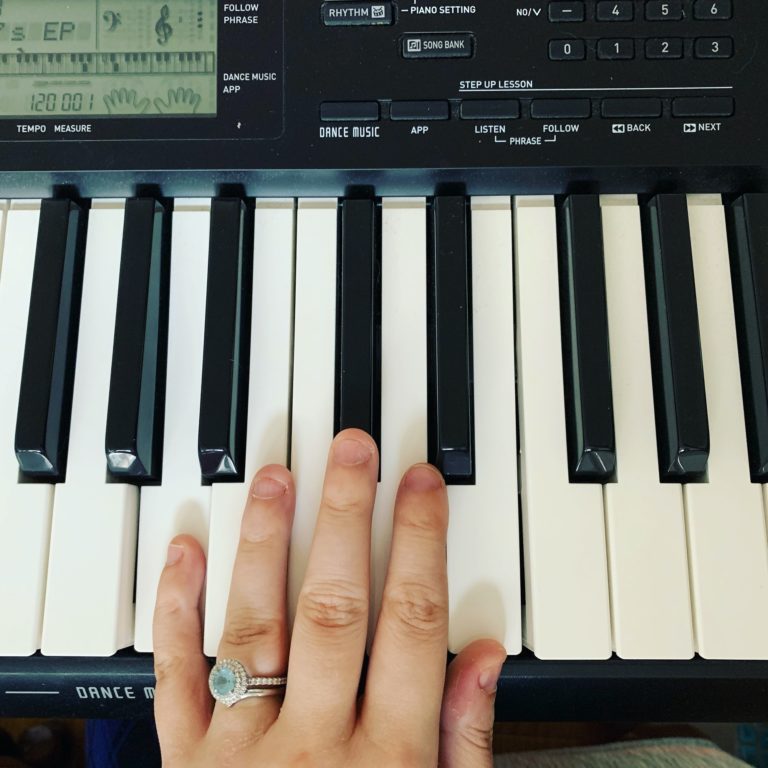
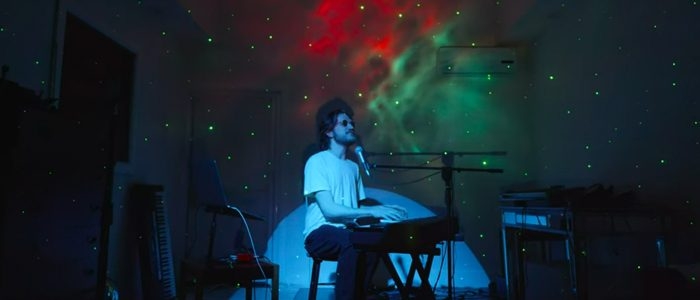
During the pandemic, I’ve been diving back into some artistic endeavors I’d let fall by the wayside, like playing piano and writing poetry – and it’s astonishing how much these activities affect my self-esteem, and thus my ability to feel desirable. I have such respect for the creative fields that it’s euphorically empowering to remind myself that I, too, have talents in those areas. Doing these things regularly also helps keep my stress level low (or as low as can reasonably be expected), because of the positive, calming impact of flow state. I can drift off into the pleasant fog of my focus for a while, just like I do in kink scenes, trusting that when I come back to earth, I’ll feel refreshed and relaxed.

The human brain is a mysterious lump of cells that eludes our attempts to document and categorize the infinite phenomena it can conjure. But I’m glad to have discovered that making time regularly for my creative endeavors is good for my stress levels, happiness levels, and – yes – libido.


Have you noticed a link between creativity and sexual desire in your own life?

Bo Burnham’s “Inside” is a Fucking Masterpiece

Content note: This post contains discussions of depression, anxiety, and suicidal thoughts.


I think some of my friends think I’ve lost my mind a little bit. I keep talking about Bo Burnham lately, and I think many of the people in my life are like, “Wait. What? Isn’t that the kid from YouTube who wrote shitty songs making fun of every marginalized group under the sun? You’re into HIM now?”

Well, to be fair, I’ve unironically (though sometimes surreptitiously) loved Bo for over a decade, in part because it’s clear that a lot of his past missteps were just pointed leftist irony that viewers didn’t interpret as such, being (reasonably) hesitant to assume a cis straight white guy has good intentions. (“If you were offended by that, it was ironic,” Bo explains after performing a song called Straight White Male in his special Make Happy. “Isn’t that fun? I meant the whole opposite of it!” The tone is jokey, but like… he’s right. That is what he, and other irony-based crooners, do.) It’s fine if you don’t forgive him; you don’t have to. BUT ALSO, he has come a long way since those YouTube days. Like, a loooooooong way.

Bo’s latest Netflix special, Inside, touched me in a way that no piece of art has in a very long time. Hannah Gadsby’s Nanette came close, as did the movie Ex Machina and the Andy Shauf album The Neon Skyline. All of these works of art accessed deep wells of emotion in me through razor-sharp relatability and big themes. But I really think Inside might be my favorite piece of art I’ve consumed – in any medium – for at least the last five years. I’m not fucking kidding, y’all.

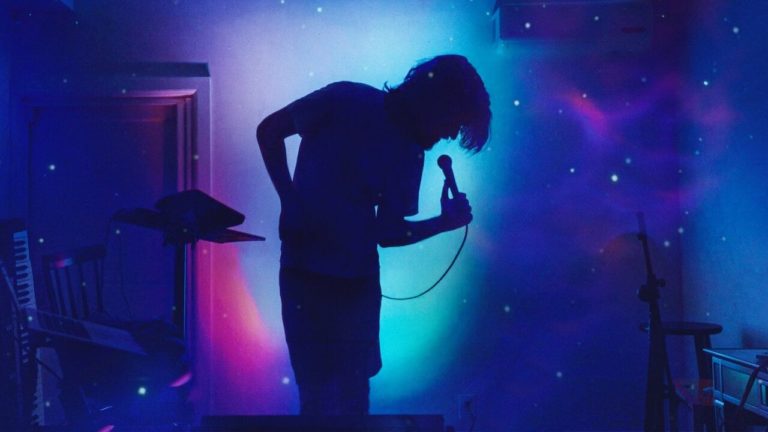
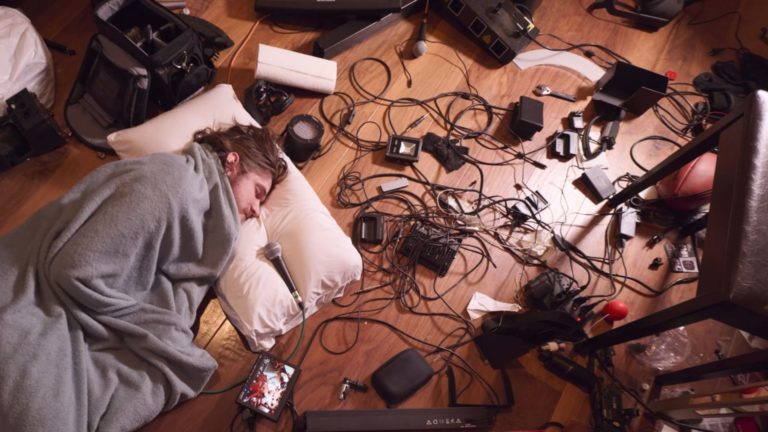
If you haven’t seen it, first of all, SEE IT, and secondly, here’s what it’s about: Bo, like many of us, found himself cooped up inside during the pandemic, socially isolated and inundated with terrible news on the internet every day. But unlike many of us, he had the technical skills and creative vision to sequester himself in a single room with a camera, a lighting setup, and a bunch of audio equipment, and create a 90-minute musical comedy special that somehow expresses a giant range of quarantine emotions and 2020 Big Moods.

Toward the beginning of Inside, Bo’s hair is beginning to get long, a beard is forming on his face, and he seems merely perplexed and thrown by the pandemic, like we all were. As the special progresses, however, his hair grows longer, his beard expands, and his mental health starts to slip. But he keeps making the special anyway. We learn, through his occasional tiny disclosures of big truths, that working on the special has become his tether to the world, the one thing keeping him semi-afloat as his mental health reaches “an ATL (all-time low).” As a creative who has, myself, used writing or music or podcasting to give me a sense of purpose and belonging when I was unable to find one any other way, this resonated so hard that I often found myself yelling “WOW” or “YIKES” or “DRAG ME, BO” at the screen.

Bo’s songwriting has levelled up IMMENSELY since his last special, Make Happy. As a music nerd, that’s one of the main things I noticed on my initial watch of Inside. He was always a highly skilled lyricist and pianist, but his songs until now have mostly stayed within a pretty small range of chord progressions and styles. In this special, he reaches almost Sondheimian levels of intricacy and beauty with his songwriting, and explores styles like hiphop, folk, and cabaret. It feels like his ability to execute a project has finally caught up with his creativity and vision, such that every song in this special functions wonderfully as an actual song, rather than just being a framing device for Bo’s clever jokes and witty observations.

I can’t possibly tell you about all my favorite parts of this special because there are frankly too many. But here are a few:

• An early song, “Healing the World with Comedy,” gets us all on the same page, in Bo’s signature half-joking-but-kinda-serious style. He establishes right off the bat that he knows comedy is simultaneously pretty useless in the face of worldwide strife and also potentially a platform through which he can effect change. As an artist who also sometimes struggles with the question of “Why the fuck am I doing this when so much awful shit is going on?” I found this one screamingly hilarious and also useful as a reminder to use my platform for good. “If you wake up in a house that’s full of smoke, don’t panic – call me and I’ll tell you a joke,” Bo offers; “If you see white men dressed in white cloaks, don’t panic – call me and I’ll tell you a joke.” It’s a chilling reminder that art can only do so much.

• There are two sort of silly-sexy jams in this special, called, respectively, “FaceTime with My Mom” and “Sexting,” which are about… exactly what they sound like they’re about. In a very classic Bo Burnham way, these songs crack you up for most of their duration and then hit you with an unexpected emotional punch – like when Bo’s mom puts his dad on the phone and they have a stilted, emotionally disconnected conversation (#relatable) or like the one frame in “Sexting” where you can read Bo’s paragraph-long textual meditation on the line between playfully begging to see someone’s nudes and pressuring them in a way that feels uncomfortable. Also, these songs are both absolute bops.

• There’s a lot of… gender… in this special?? There is, in fact, an entire song (“White Woman’s Instagram”) where Bo is essentially in drag, albeit with a beard. And, um, my gay ass can confirm that he is pulling it off. I was wondering what other people thought about this, so I typed “Bo Burnham gender” into the Twitter search bar, and there are dozens upon dozens of trans and nonbinary people tweeting that Bo gives them gender envy. Understandable, tbh.

• An extended bit in which Bo does “commentary” on one of his own songs, and then does commentary on his commentary, is a brilliant depiction of the self-criticism and self-policing that can come with depression and anxiety. He does something similar in another section where he takes on the role of a hyper-masc Twitch streamer playing a video game that is actually just Bo’s own life: sit in a room, cry, play piano, go to sleep, start the day over again. Both of these bits crystallize an overarching theme of dissociation, derealization, depersonalization, and the way that the internet encourages us to view ourselves and our lives through an externalized lens.

• One of the prettiest songs in the special laments, “Can one be funny when stuck in a room?” In reflecting on his own past tendencies to self-isolate as a protective mechanism, Bo sings, “Well, well! Look who’s inside again! Went out to look for a reason to hide again,” at which point I felt like someone had stabbed me through the heart because DAMN, @ ME NEXT TIME, BO.

• Speaking of Bo’s (numerous) past fuck-ups, there is a song toward the middle of the special where Bo fully, explicitly, and sensitively apologizes for the problematic jokes he built his fame on. “Are you gonna hold me accountable?” he dares, almost begs. In classic Bo fashion, the song is simultaneously self-reflective and hilarious. It’s filmed as an athletic scene reminiscent of a Rocky training montage, which contributes to the overall image of masochistic self-flagellation and doing penance for past mistakes. I kept screaming at the screen “I CAN’T BELIEVE HE’S DOING THIS” at this point, because it really is that rare to see someone of Bo’s demographic owning up to what they’ve done. “Bitch, I’m trying to listen; shit, I’ve been complacent,” he sings toward the end. “If I wanna catch up, first I gotta ‘fess up.” Too true.

• Bo’s really bummed about turning 30 during the making of the special because he thought he’d be done with the special, and ideally with the pandemic, by then. Again… relatable as fuck. Then he sings a song about turning 30 which is a beautiful meditation on aging, feeling “out of touch,” resenting others who are “adulting” better than you are, and just generally mourning the passage of time. He does his own light show during this song, pressing pedals and rotating a handheld light around his nearly-naked body, orchestrating his own vulnerable self-exposure. (There is also a whole lotta bisexual lighting and genderless hotness in this song, tbh.)

• The catchiest song from the whole special, in my opinion, is a Lizzo-esque hiphop/pop tune that begins thusly: “Wake up at 11:30, feeling like a bag of shit. All my clothes are dirty, so I’m smelling like a bag of shit.” It goes on to paint a perfect picture of not only depression (which many other artists have tackled) but the specific brand of dark, self-effacing humor that can emerge out of a bad depressive spell. It’s not the most thematically complex song, especially compared to some of the others in this special, but it’s the one I find myself singing the most, and laughing at so hard that my depressed body shakes. (I’m listening to it right now as I write this, and dancing in my chair.) There is also just something about seeing a person perform a slick, upbeat song with perfect lighting choreography… while wearing a white T-shirt and baggy shorts. You get me, Bo.

• Probably the objectively best song in the special is “Welcome to the Internet,” an absolutely chilling and devastating takedown of the internet and the ways it corrupts our minds. After I watched this for the first time with my spouse, they observed, “I think that’s the best thing that’s ever been written about the internet,” and I had to agree. That’s high praise, friends.

• A low-key folk song toward the end of the special grapples with existential dread, climate change anxiety, and dissociation in the internet age. It’s the prettiest Bo’s voice has ever sounded, and perhaps the most sensitive and sincere he’s ever been. “There it is again,” he croons sweetly, sadly, “that funny feeling.” He never names exactly what “that funny feeling” is, but by the end of the song, I always feel like, Yep. I know that feeling. I know it well.


Overall, I simply cannot recommend this special enough for anyone who struggles with mental health, their relationship to the internet, the weirdness of being a public figure, and/or mounting dread about the state of humanity. It’s a “comedy special,” sure. It’s also a fucking masterpiece that depicts, better than anything I’ve ever seen or heard, what it’s like to be a certain type of human in this terrifying time. It’s given me comfort, solace, and laughs – if just because it showed me that I’m not the only one feeling “that funny feeling.” Not at all.

A Penis Size FAQ


Does penis size matter?

The short answer: It matters to some people, and less so (or not at all) to others. Whatever your size, the important thing is to find a partner (or partners) who enjoy it. Those people exist, regardless of what size you are, I promise.

Longer answer: Anyone who tells you penis size universally doesn’t matter is lying to you, but anyone who tells you penis size always matters, or that bigger is always better, is lying to you too. The truth is that different people have different preferences. I know you want a simple answer, but there isn’t one, because human sexuality is infinitely vast and variable, and so are human bodies.

There are “size queens” out there, yes. There are people who are shitty and judgmental about penis size out there, yes. However, there are also people who prefer smaller dicks because they find them more comfortable, less painful, easier to accommodate orally or anally, more aesthetically pleasing, or any number of other things. As with literally everything sexuality-related, we’re all different and it’s just a matter of finding the person/people you’re compatible with.

Keep in mind, too, that the vast majority of people with vaginas don’t orgasm from vaginal penetration alone. The clitoris, not the vagina, is the pleasure equivalent of the penis – meaning that pleasure and orgasm without clitoral stimulation are about as rare and as difficult as pleasure and orgasm without any penile stimulation (i.e. certainly not unheard of, but not the default for most people). Penises aren’t generally magic orgasm-producing machines for the people you fuck them with, and that’s true regardless of their size.


Does penis size matter to you, personally?

Sure, in that I have a different experience with different penis sizes, in much the same way that a huge dildo feels different from a smaller one. Neither is inherently better than the other. It depends entirely on my mood, where I am in my cycle, any health issues I’m going through at the moment, which erogenous zone(s) I’m hoping to target, what fantasies I’m enjoying recently, and other such variables.


What does “average-sized” mean in the context of penis size? / What “counts” as big or small?

Studies generally find that the average penis size is in the neighborhood of 5 to 5.5 inches long. I would personally define a big dick as being 7” long or more, and a small dick as being 3.5” or less, but keep in mind that a) there’s nothing inherently wrong with having a small or large dick, as discussed, b) that doesn’t take girth into account and it can be a pretty huge factor (so to speak), and c) different people will define these terms differently depending on their preferences and amount of experience.

If you’re wondering if your penis is “normal,” 1) it probably is, and 2) a doctor can answer that question for you better than I can if you’re really worried.


Can I change my dick size?

There are surgeries for this, but I wouldn’t recommend them. They seem risky and not all that necessary. There are also pills/supplements whose makers claim they can alter your dick size, but I’ve seen zero evidence that this is at all accurate.

In my experience, usually body-related insecurities are more about your preconceptions and perceptions than your actual body (barring certain potential exceptions like gender dysphoria), so if you’re worried your dick isn’t pleasurable enough, you’d be better off upping your oral sex game and getting really good at wielding dildos than getting a dangerous procedure to alter your most sensitive organ based on your limited notion of what partners might find pleasurable.

Penis pumps enlarge the penis temporarily, and are sometimes used regularly over time to encourage penile growth, especially for transmasculine folks’ dicks after going on testosterone. I also know that there are stretching devices that can lengthen your dick when used in the long-term, sort of like braces for your penis. But again, personally, I don’t consider these measures worthwhile when there are so many other ways you can work on your sexual skill and sexual confidence.

Aside from surgery, I don’t know of any way to make your penis smaller.


What if my partner doesn’t find my dick size satisfying?

Well, first off, if they’re expressing that to you in a way that feels hurtful and mean, that’s a red flag. Body-shaming of any kind in a relationship is almost always a bad sign about your partner’s attitudes on bodies and their ability to be tactful and polite.

Beyond that, if you want to give your partner the sensation of getting fucked with a larger cock, you can use silicone penis extenders, fuck your partner with a dildo (possibly one that is strapped onto your body with a harness), use your fingers/hand, or use a penis pump immediately prior to sex. Check out the /r/SmallDickProblems subreddit for more advice.

If your dick is too big for your partner, you can try using an Ohnut to limit the amount of length you can fuck them with, use smaller dildos/strap-ons on them, use your fingers, use a hell of a lot more lube, do more “foreplay,” or just do non-penetrative sexual activities. (As noted above, most people with vulvas get off most readily from clitoral stimulation anyway.) The /r/BigDickProblems subreddit also contains lots of advice on this.

Presumably, your partner is attracted to you because of who you are, not just what your dick can do. If that’s not the case, you may not be in a healthy and emotionally safe relationship.


What’s more important: length or girth?

Again, depends entirely on the person, and may change from day to day or from moment to moment. There isn’t just one “right answer” to this question, and anyone who tells you otherwise is lying to you, probably to make you feel insecure and/or sell you something.

Length may be important if your partner likes A-spot stimulation or cervix stimulation, for example, while girth may be important if they like intense G-spot or prostate contact. Some people may want a shorter or skinnier dick for comfort reasons, or because those can hit their spots more easily.

Hell, I’m a sex toy reviewer and thus intimately familiar with my own preferences, and even I can’t say definitively whether I care more about length or girth, because it depends on the day, the sensations I’m seeking, any health issues I’m going through, etc. Luckily, sex toys exist, so I don’t have to rely on a partner’s penis to provide any and all penetrative sensations I might be craving at any given time. (Sensing a theme here?)


How big does a penis have to be to hit the G-spot or prostate?

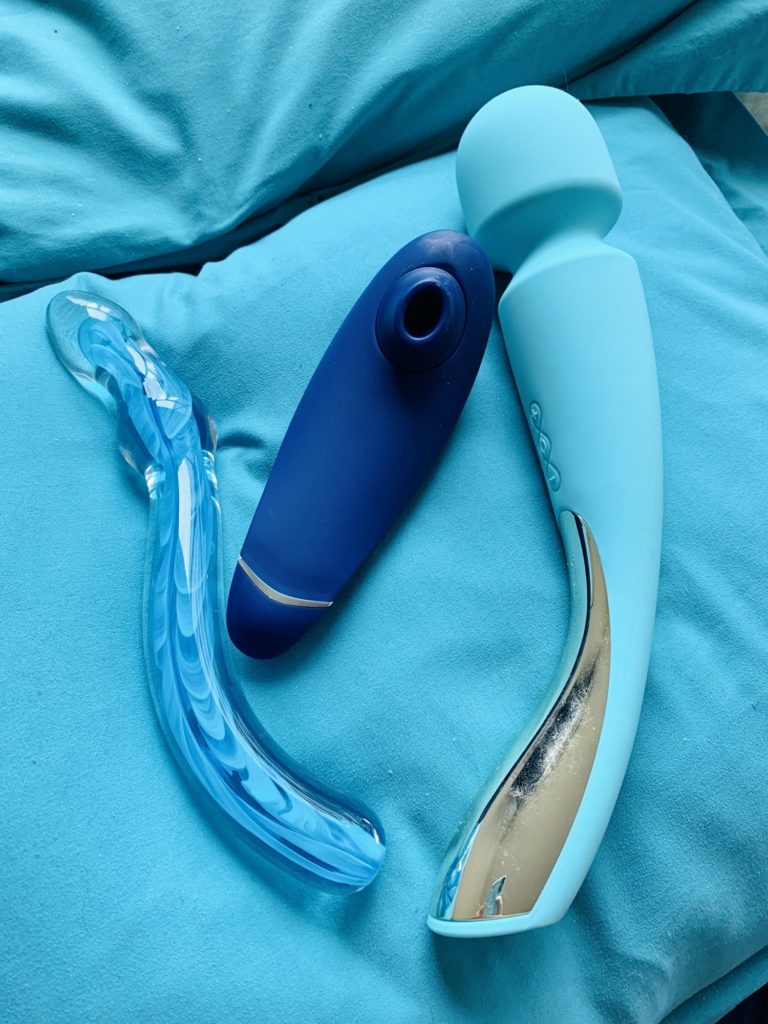
Usually about 2-3″ long, ideally with a curve (either upward or downward will work, depending on the position). However, again, sex toys are great for this. In many cases they’re better than dicks at hitting these spots. (I recommend the Pure Wand and Seduction.)


How big does a penis have to be to hit the A-spot?

I think a lot of people assume I am a hardcore size queen because I like A-spot stimulation, but… nah. Many partners of mine have been able to reach my A-spot easily with their fingers, including those with shorter/smaller fingers. It’s all about angling and positioning. Have the receptive partner pull their knees closer to their chest to shorten the vagina’s length, and you’ll have an easier time reaching the A-spot with your dick, your fingers, or a toy. Anything upwards of about 5″ can hit my spot just fine, and sex toys exist anyway so it’s not like a penis is the only option here.


Will using a dildo that’s larger than my penis make my partner leave me/like my dick less?

Unless your partner is literally only dating you for the usage of your penis, no, it’s unlikely that anything like this will happen. I know that it’s easy in a phallocentric culture to feel like your penis is the only thing tethering you to social and sexual success (whatever the hell that means), but there is more to a relationship – and more to sex – than the size of your cock, I promise.

A dildo cannot pay attention to your partner’s signs and speed up or slow down or fuck harder or softer as needed, the way you can. A dildo cannot whisper filthy shit in your partner’s ear or roleplay their favorite fantasy with them like you can. A dildo cannot hold them close after they come and make them feel safe and loved the way you can. You are so much more than a dildo, and you can do so much more than a dildo can. If you don’t know/believe that, consider working through your self-esteem issues with a therapist – you deserve to recognize your own value as a human being beyond your genitals!


What condom is best for my penis size?

Many people don’t know that condom fit can have an enormous impact on how pleasurable and comfortable sex is for you. I would suggest checking out the Find Your Size page on LuckyBloke for an introduction to this.

Keep in mind, when shopping for condoms, that many are labeled in misleading ways (e.g. Trojan Magnum condoms are the same size as some other brands’ standard/medium size), so looking at the measurements will give you a better idea of potential fit than the product’s branding will.

If you want a super custom fit, One makes a condom line called MyONE that seems to be the best option for people who chronically struggle with condom sizing. My partner got to try some in their size recently and really liked them; they said it felt like wearing a perfectly tailored suit.


If you’re accustomed to a particular penis size, is it normal to have trouble adjusting to/enjoying a different-sized one?

Sure, especially if you have very particular preferences (which isn’t morally wrong or anything, and is nothing to be ashamed of, as long as you’re not shitty about it).

Sex toys are your friends. They can help you access sensations you’re not otherwise able to access, including the sensations of being penetrated by something smaller or larger than your current partner’s penis. Don’t frame this as a shaming thing if/when you bring it up; you don’t want to give your partner a traumatic complex about their dick. Size is just one variable of sexual sensation, and there doesn’t have to be a value judgment attached to the idea of wanting to be fucked by something smaller or larger.

As mentioned above, silicone dick extenders and strap-ons can help if you really want to feel like your partner is fucking you with a dick that’s a different size from their own.


Does ball size matter?

To some people, yeah. Everything you can think of matters to someone. I have never really cared about this or even noticed variances in ball size all that much, personally, though.


Will dick size affect my experience with a stroker?

Potentially, yes. While many of these toys are at least partially flexible/squishy, some have less give than others. If you’re on the larger side, I’d suggest searching the names of any potential purchases in the /r/BigDickProblems subreddit to see if anyone there has reviewed that toy for their particular dimensions. If you’re on the smaller side, I’d recommend toys by Tenga, which tend to be snugger-fitting than, say, Fleshlights. It’s always a good idea to read sex toy review blogs, too; some reviewers mention their dick size, so you can more easily compare their anatomy to your own and find out whether the toy they liked would work for you too.


Do big dicks stretch out vaginas/anuses?

Temporarily? Yes. Permanently? No. These orifices are made of tissue that can expand as needed to accommodate various sizes of penetrating objects, but reverts to its original position/size in due time afterward. Anything you’ve ever heard about loose, stretched-out pussies or butts is a medically misinformed myth, usually propagated with the intention of discrediting and dehumanizing anyone perceived as being a “slut.” I know you don’t want to participate in a practice as vile and demeaning as systemic slut-shaming, so I know you’re not going to perpetuate this myth anymore. Right?


How does transitioning affect penis size for trans and non-binary people?

I’m cis and don’t have firsthand experience with this, but would recommend anything written by Ana Valens on the subject (for transfeminine people). As for transmasculine folks, here’s an episode of the Dildorks where I talked with Bex about his T-dick growth (among other things), and this article by Oak is also great.


Is there any equivalent insecurity to penis size that people with vaginas have?

You know, every time I’ve been asked this, I’ve immediately thought that for cis women (the only gender group I’ve been a part of, and thus the only gendered experience I can directly speak to), our entire bodies are scrutinized and criticized in similar ways to how penis size is discussed for cis men. Our overall body size, boob size, vaginal tightness, vaginal scent and taste, and capacity for vaginal lubrication are some more specific areas where we’re encouraged to be desperately insecure and self-hating. I don’t think these things are directly comparable because they manifest somewhat differently, but, short answer: yes. People with penises don’t have a monopoly on feeling shockingly profound shame and self-doubt about the sexual attractiveness and viability of their bodies. That widespread shame sucks, and it needs to change – for everyone, of every gender and body type.


What questions do you hear a lot about penis size?
8 Reasons the “Squirt is Pee” Study is Bad

Recently I was chatting with some friends about the 2015 study that “proved” squirting is the same thing as peeing, and I got incensed afresh about it. You can read the study yourself online if you’re curious, though I’m about to make the case for why you probably shouldn’t.

To be perfectly clear: I am not a scientist, nor am I a doctor. I have, however, been a sex journalist for nearly a decade, so I’m pretty accustomed to reading studies and extracting key findings from them. I first became interested in this study when I wrote a piece about it for Maisonneuve years ago, and I interviewed many experts and key players in the field as part of that project. With all of that said, here are 8 reasons this study is, in my view, not to be trusted…


1. It only had seven (7) participants. SEVEN. Many experts agree that studies smaller than about 100 people are unlikely to be statistically significant or predictive of a general population. I asked the lead researcher, Samuel Salama, why he only studied seven women, and he said, “I wish [I had] more, but it is difficult to recruit women who accept to participate to the protocol [sic].” He also claimed that his study was nonetheless the largest one that had been done on the topic, which is in fact false; previous studies done on the squirting-versus-pee debate have included sample sizes as large as 27, and there was even a previous biochemical analysis study on this subject that had 11 participants. (Still not enough, but better than seven, I guess.)

In an interview, I asked a sexual health research coordinator what they thought about this study only having seven participants, and they said this:

“I think, if you only study seven people, that’s just ridiculous. Like, what the fuck. That is not statistically significant in any universe. It doesn’t prove anything. … It’s bonkers! Bonkers! Seven people is like, nothing.”


2. The lead researcher seems to have had an axe to grind. I asked lead researcher Samuel Salama why he decided to study this topic, and he told me it was his 3rd-year sexology thesis and that he chose the subject of squirting “because you can read a lot of bullshit on the topic.” This suggests to me that he had already formed an opinion about whether squirting is pee before he even began the study, since he felt all the previous research on it was “bullshit.” Scientists are supposed to keep an open mind about the potential results of their studies; otherwise, the results are prone to being tainted, just like Salama thinks ejaculate is tainted by pee.


3. Participants were recruited under odd circumstances. The study’s seven participants were all referred by physicians, which suggests to me that the women themselves, their doctors, and the study creators all viewed squirting as a medical issue rather than a normal part of sexual functioning. This creates a biased dynamic that no doubt would permeate the whole study. Participants were also required to have a BMI that falls within the “healthy” range despite BMI having been long ago debunked as a useful measure of body weight and health.

In an interview, I asked a postdoctoral research fellow at the Centre for Addiction and Mental Health if it could be problematic that all the participants were recruited via their physicians, and she said this:

“It definitely creates limitations on the generalizability of the results. For example, since the sample is limited to a certain set of women who saw these particular physicians and were then referred, we have to consider whether or not there are systematic differences between a) women who choose and/or are able to visit a physician and those who do not or cannot, b) the characteristics of women who visited the specific physicians included in the study versus women who selected different physicians, or c) women who were referred to the study and actually participated, versus women who were referred and chose not to participate, to name a few issues. Thus, the interpretation of the results should be considered within these limitations.”


4. It’s cissexist. I mean, it’s certainly not unique among sexological studies in this way, unfortunately, but this is still worth pointing out. So-called “female ejaculation” is a phenomenon that can happen to anyone who has a vagina, not just cis women.


5. It took place in a lab setting. This, again, is definitely not unique among sex studies, but I do think it’s worth noting because we just don’t have the same sexual responses in cold, clinical environments as we would have in our own cozy beds. IMO it’s absurd to think that someone getting sexually stimulated in a lab room, while being monitored and measured, would have exactly the same experience of and response to that stimulation as she has at home. As Emily Nagoski, Ph.D., details in her book Come As You Are, stress has a physiologically inhibiting effect on sexual arousal, and thus I don’t think a sex study can be purely effective and accurate in a lab setting. The participants of this study even noted that the amount they squirted during the study was less than they tend to squirt at home, suggesting the results were in fact different than they would be in everyday life.


6. The results were inconclusive, but not described as such in the study. This, to me, is the most pressing and obvious reason this study is problematic. The study measured levels of urea, creatinine, uric acid, and prostate-specific antigen (PSA) in each participant’s pee both before sex and after sex, and also measured those levels in each participant’s squirt. Those first three ingredients – urea, creatinine, and uric acid – are found in urine, while PSA is typically not.

If you look at the graphs that lay out the data on what was actually in each sample (click the image to see it larger), you’ll see that the distribution is actually pretty all-over-the-place. Some participants’ squirt (represented by the red bar in each chart) contained medium-to-high levels of the components of urine, while some contained barely any at all. Most participants’ squirt contained a high proportion of prostate-specific antigen compared to other ingredients, which – if anything – supports the idea that squirt is a separate fluid from urine, containing its own unique ingredients.

The writers of the study note early on, “Because normality of data distribution could not be ascertained, we preferred to use the median as the measure of central tendency and minimum–maximum values as the measure of variability.” This is just not a fair or effective way to do a study like this. Even I, as a relative layperson, can glance at these results and see that some of the women’s squirt is scientifically similar to their pee, and some of the women (especially participant #5, and to a lesser extent, #4 and #6) clearly squirt a liquid that is demonstrably different from their urine. You can’t just “average out” the results and decide that a handful of women squirting something chemically similar to pee means all women who ever squirt are squirting pee – especially when the results of your own study don’t even bear that out!


7. There’s traces of pee in penile ejaculate, too. It is well-established that semen contains uric acid and urea, probably due to the fact that both urine and semen come from the same hole and will naturally intermingle to some extent. I would argue (as did many of my scientist interviewees) that the same happens for people with vulvas, and that this explains the overlap in chemical makeup between some vulva-possessing people’s urine and ejaculate.


And finally… 8. This study will damage, and has damaged, the lives of people who squirt. The hypothesis that squirting = pee has already caused so much pain, stigma, and even trauma in the world. I interviewed Spanish sex educator Diana J. Torres about squirting and they told me stories of women they’ve known who have had their G-spots surgically removed as treatment for “coital incontinence” that was actually just squirting. “Usually science is not separated from politics,” they said, “and in a patriarchal system, it has been instrumentalized to support it.” I have to agree.

In the aftermath of this study being published, headlines circulated worldwide, announcing that squirt was actually just pee. My friend Epiphora launched a “#NotPee” campaign on social media to fight against the stigma and misinformation. Many people replied to say that they’d been shamed for squirting in the past. I hate to think what happens when that shaming escalates to ostracization or even violence.

“I don’t know why they keep revisiting it. I don’t know what the political import is to prove that it’s urine. It seems weird to me,” said philosophy professor (and proud squirter) Shannon Bell when I interviewed her about this. “If you compare it to studies on [penile] ejaculate, there’s almost an investment in women’s ejaculate not being as sexual a fluid… and I would say that’s got a political component to it.” Like Bell, I see this entire debate as being yet another manifestation of the male-dominated science field refusing to believe women and other people of marginalized genders about their own damn bodies.

I’m tired of it. I want better, bigger studies on the subject, that are constructed in more compassionate and sensical ways. But mostly, I just want people to stop caring so much whether squirt is pee and whether pee is gross. There is a lot about sex that could be considered gross, and most of us continue to have it anyway. If you’re actually disgusted by your partner’s pleasure, maybe you should let them go so they can find a partner who actually wants them to have a good time in bed without feeling ashamed of their body and the fluids it produces.

9 Ways to Access Pleasure & Intimacy Without Having Sex

What with pandemic stress, chronic pain, and a shifting libido as I get older, sometimes I just don’t feel like having sex, even though I genuinely think my partner is the hottest person in the world. Sexuality is mysterious like that.

That said, I’m lucky enough to be with someone who understands that “standard” sex is not the only way to feel connected to a partner, make them feel good, or express your love for them.

Here are 9 ways you could have a pleasurable, body-based, and/or romantic experience with your partner, without delving into “sex” territory:


1. Masturbate together. A classic! I love to do this when I’m too tired/achy to put much actual effort into sex. Bonus points for using a good wand vibrator – it makes getting off much easier for me and also enables me to focus more on my partner because I can just “set it and forget it” on my clit.

2. Just cuddle, without expectations. I remember when I was ~16 and cuddling with a romantic prospect felt like the most exciting, intimate thing in the world. It still can be! If you find it awkward or boring to just lie there, you could watch TV or listen to a podcast together while you snuggle up.

3. Give or receive a massage. There are soooo many styles of massage to learn about and try out, from Swedish massage to Tantric massage to hot stone massage – but even just keeping it super basic with some massage oil and unskilled rubbing can be blissful and connective.

4. Watch comedy or horror together. Weird pairing, I know – but I really do think these genres are two sides of the same coin, neurochemically. If you pick an uproarious comedy or a terrifying horror flick to watch with your sweetie, the two of you will go through some intense feelings together, which can be connective in and of itself – plus you’ll get the endorphin rush associated with laughing super hard or getting scared shitless. (If you need recommendations: my all-time favorite comedies include The BirdcageAnchormanThe Producers, and Down With Love, while my fave horror movies include Get OutThe ExorcistMidsommar, and It.)

5. Draw on each other. My friend Casia Sobolewski loves to do this, and first introduced me to its sensual pleasures. Get out an assortment of different-colored markers – ideally the washable kind that kids use, not Sharpies! – and create some art on one another’s bodies. In addition to being a delightful creative project, this also creates a tickly, sensuous feeling on your skin that is truly unique and even kinda sexy.

6. Do spa treatments on each other. My partner is a foot fetishist so I imagine they’d be quite keen to give me a pedicure if I asked; what spa-esque procedures would you find fun to do for a partner? Apply a goopy sheet mask to their face? Shave their legs in a vaguely kinky manner? Moisturize every inch of their skin?

7. Indulge in sadomasochism. Now, certainly it’s debatable whether kink “counts” as “not sex,” since – for many kinky people, myself included – kink scenes often feel like sex and essentially are sex even if there’s no genital contact, orgasms, etc. But it’s good to be reminded that kink is an option for when more conventional/vanilla sex feels inaccessible or unappealing! I can think of few things that make me feel closer to my partner, or more loved by them, than receiving a lengthy hand-spanking, flogging, or paddling.

8. Have a singalong. If one or both of you play an instrument and can do live accompaniment, so much the better! But you can also just pull up some karaoke tracks from YouTube or Spotify, or just sing along to your favorite tunes. Making music with a loved one is tons of fun and feels like a collaborative project, kinda like sex in its own way.

9. Meditate together. If you’re spiritually inclined, or just interested in mindfulness, this could be an interesting couples’ activity. I imagine it’d be grounding and refocusing to hold hands with my partner while we both meditate; afterward, we could talk about how it all felt, and what we thought of the experience.


What non-sexual activities do you find sensually pleasing and connective to do with your partner(s)?


This post was sponsored. As always all writing and opinions are my own.