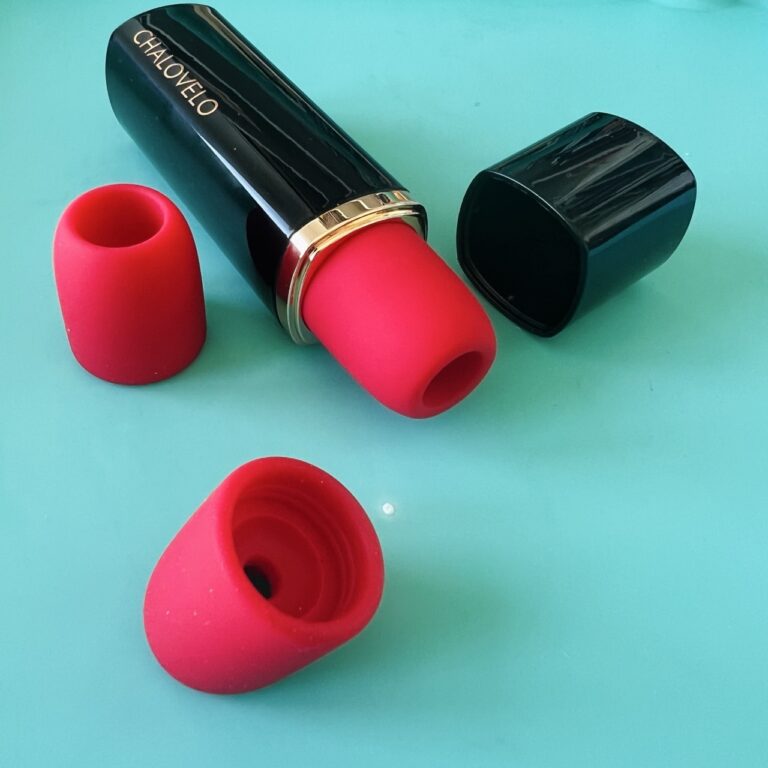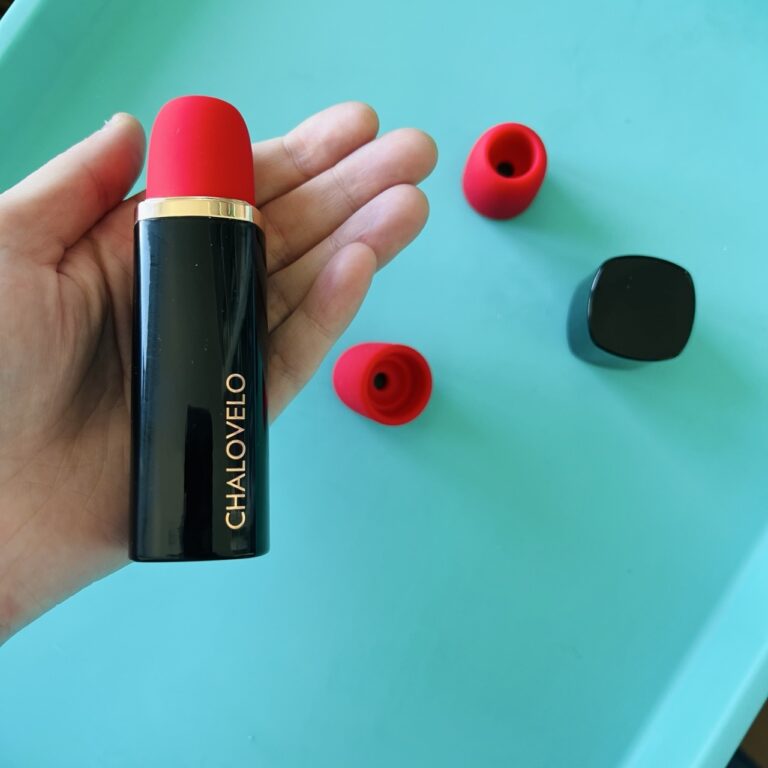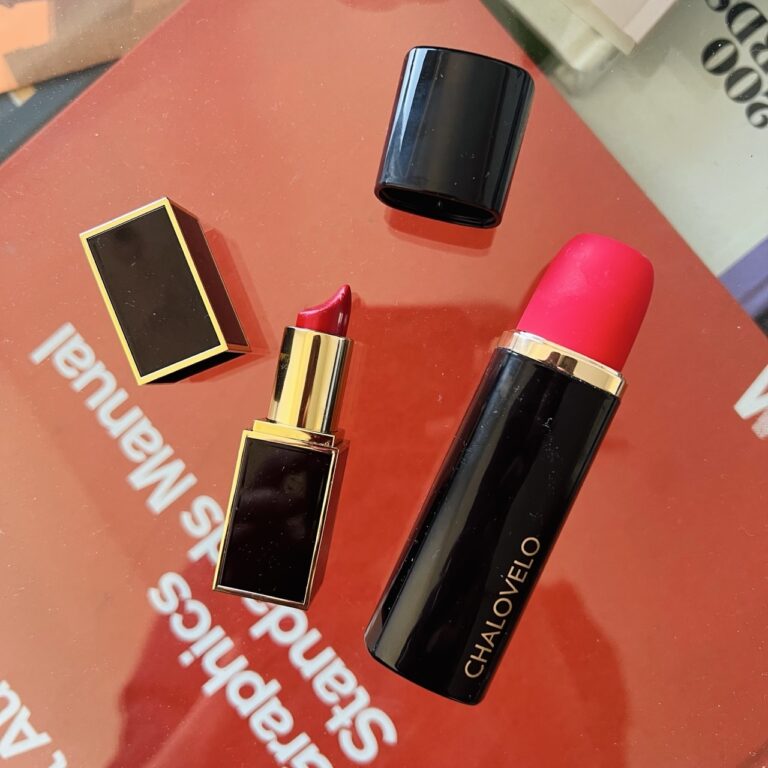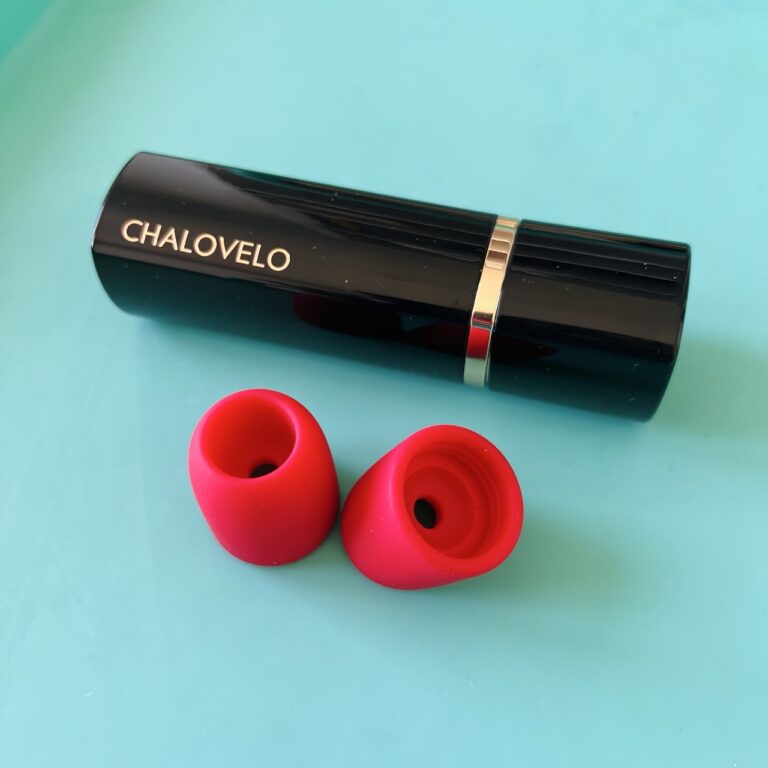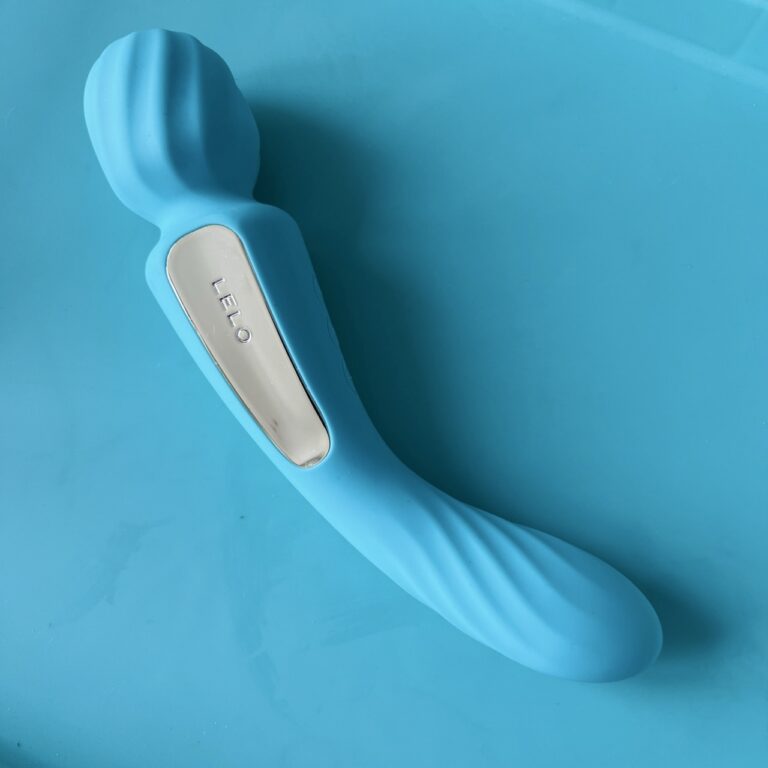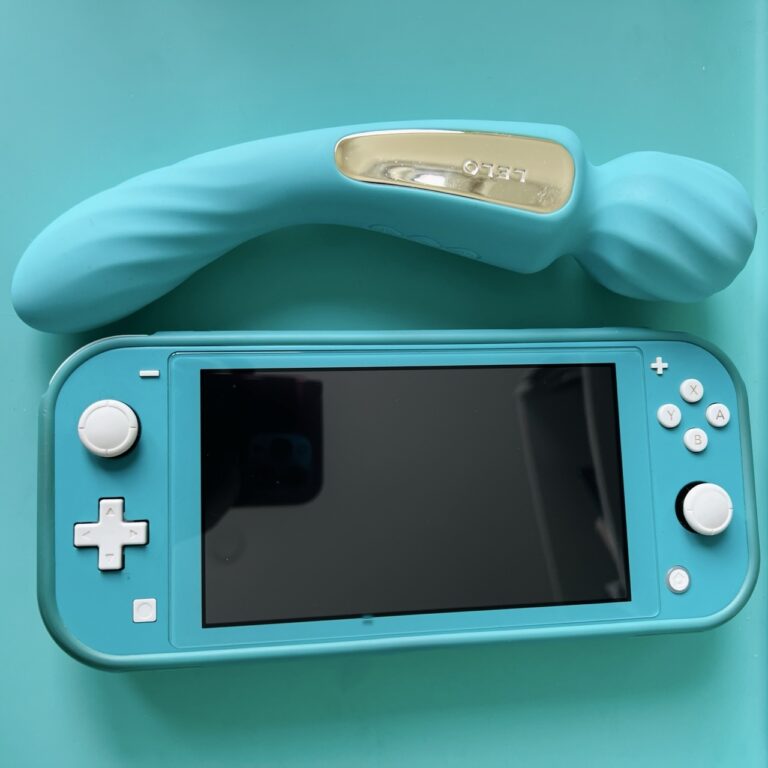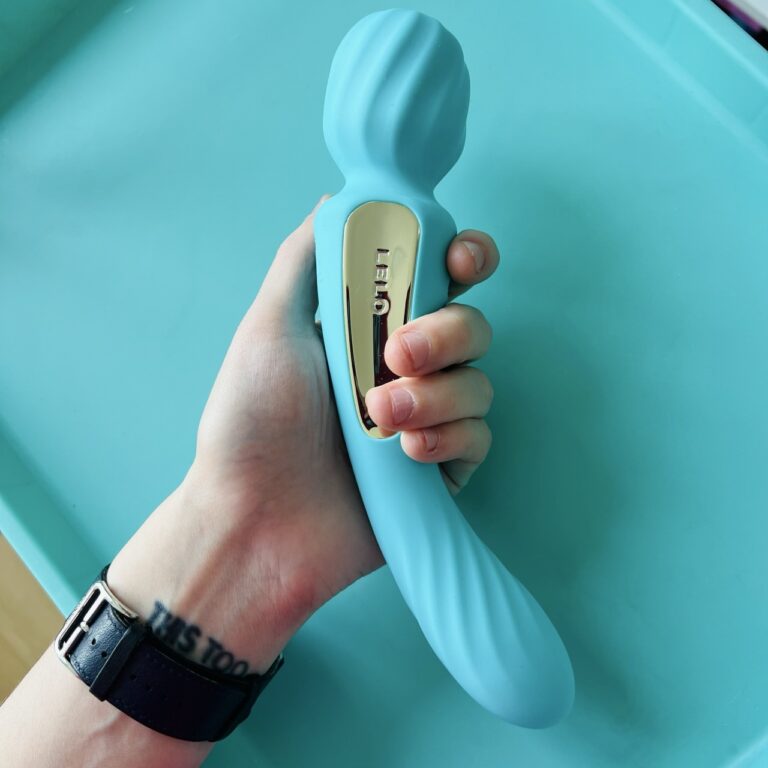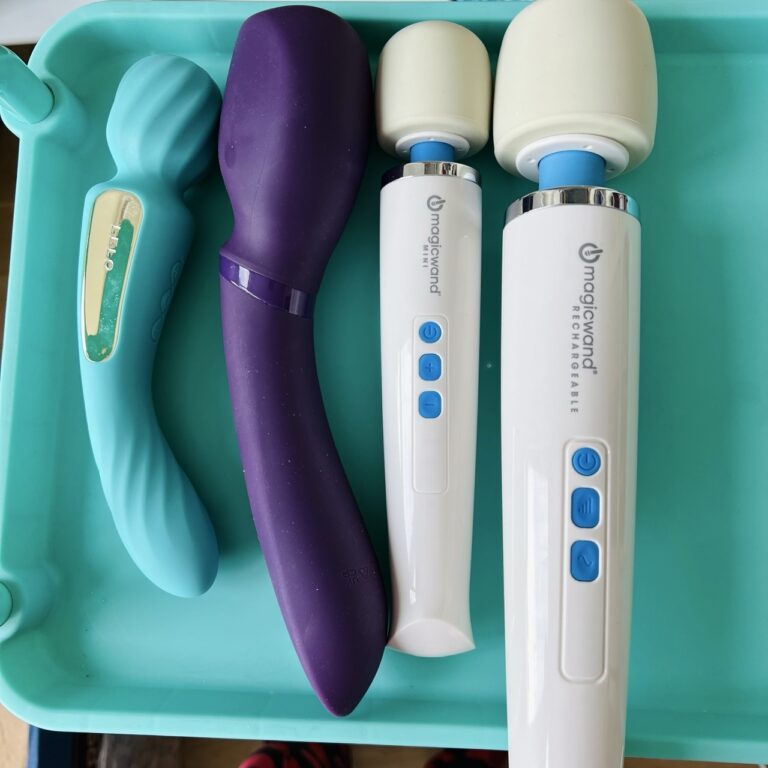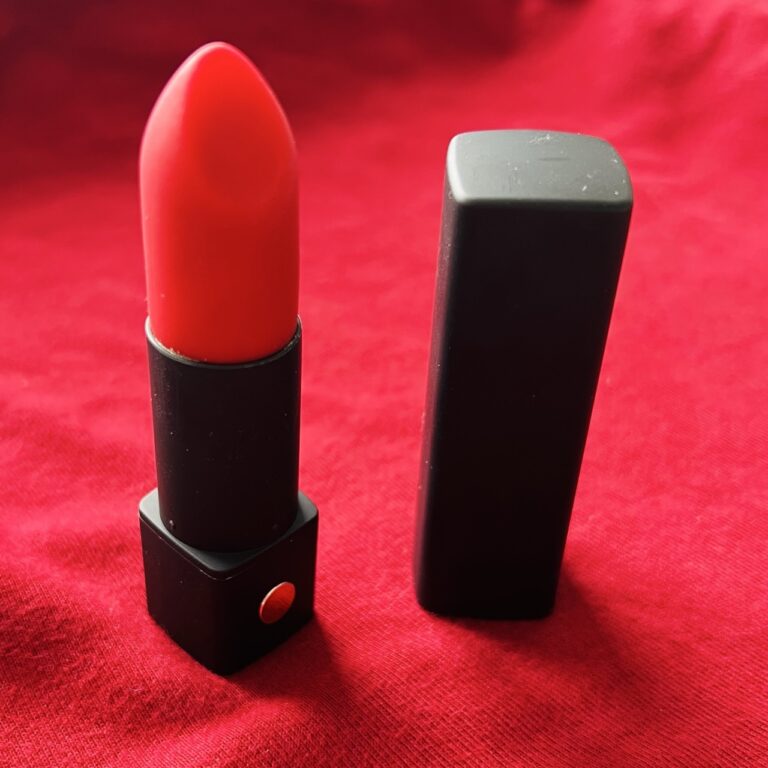
Review: VVD RiderGo G-spot fingering vibrator

I’ve been really into having my G-spot fingered lately. Usually I prefer deeper penetration, but my G-spot received a lot of attention toward the end of a lascivious first date recently, and so that type of stimulation has been on my mind: the way it makes me gasp and twitch, the balance it strikes between “a little too much” and “yes please more,” and its tendency to make me squirt. G-spot play has a lot to recommend it!

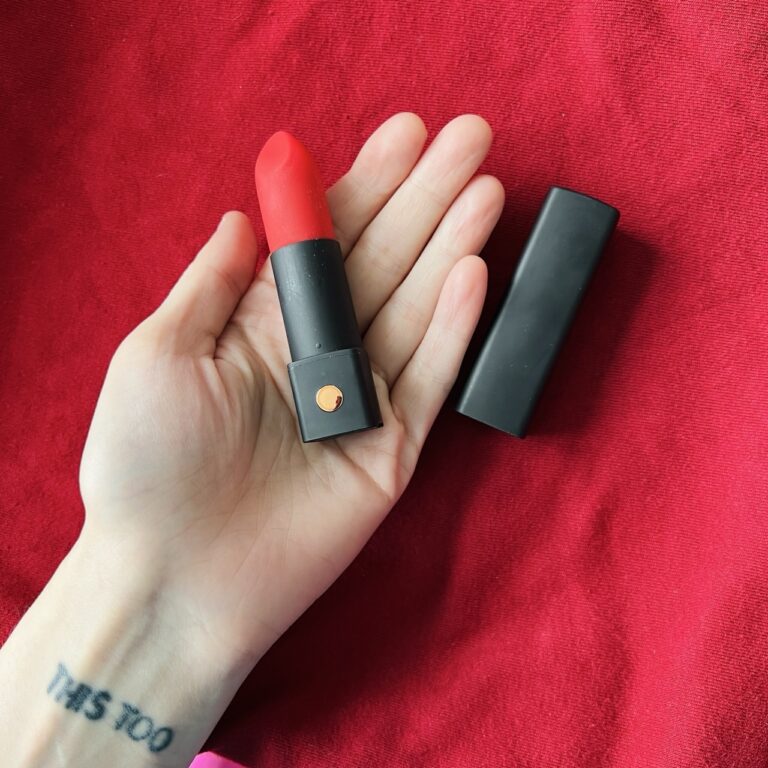
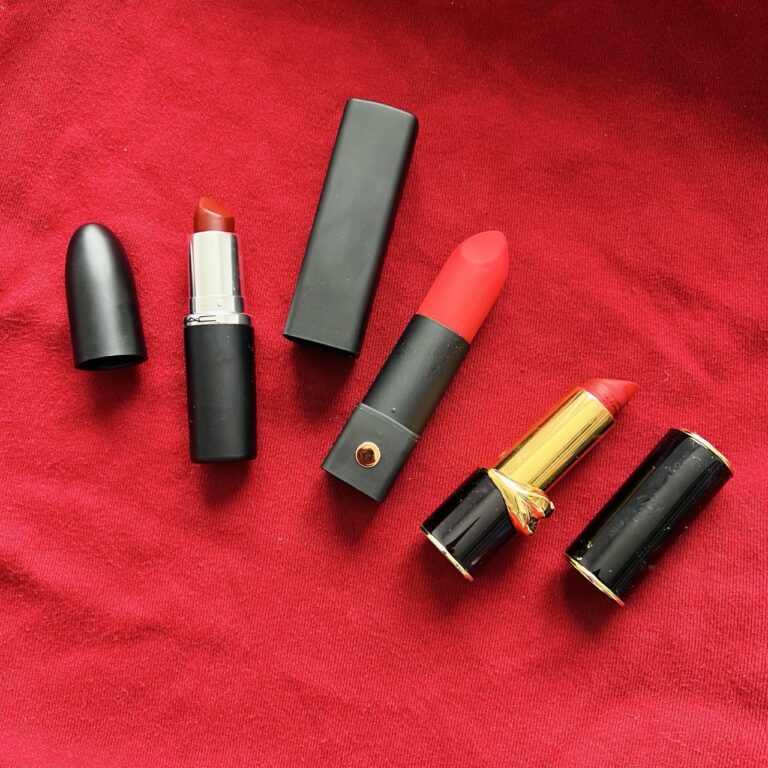
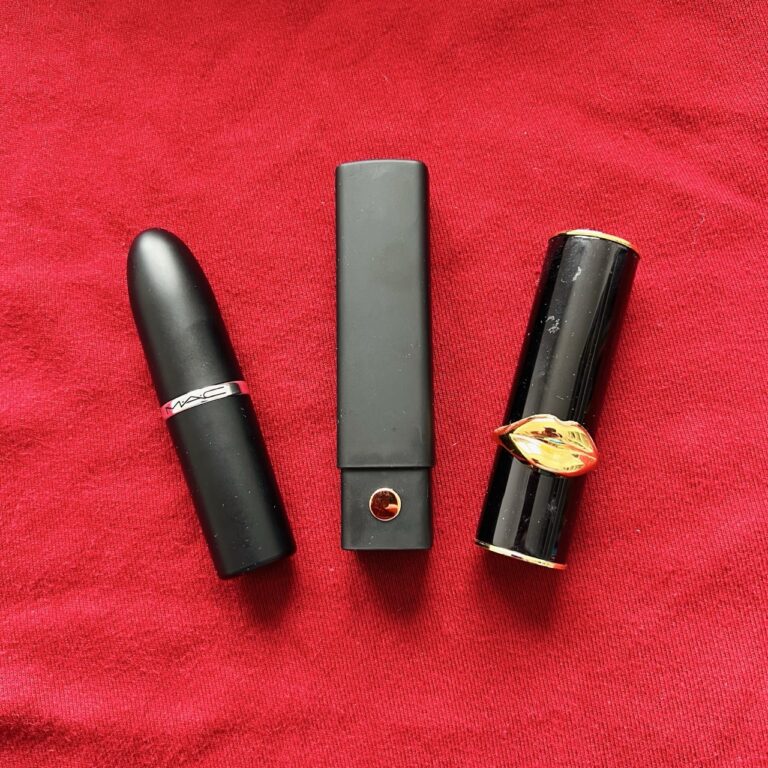
I was intrigued, then, to receive an email from VVD – makers of the Vkini vibrating bra and the Rider Desire sex saddle, both of which I’ve previously reviewed and enjoyed – offering me their new vibrator, which is designed to mimic G-spot fingering. It’s called the RiderGo.

What is the VVD RiderGo vibrator?

VVD’s flagship product is their Rider Desire sex saddle, a rideable toy in the vein of something like a Sybian or Cowgirl, only a whole lot smaller, lighter, and cheaper than those plug-in behemoths of yore. Like many vibes of its type, the Rider Desire came with a few different interchangeable attachments, each with a slightly differing shape and function.

However, as I noted in my Rider Desire review, rideable vibrators are sometimes too bulky, heavy, and awkward to be practical, especially for those of us whose bodies have limitations – which is why it’s so neat that VVD has since launched the RiderGo, a handheld toy that uses the same magnetic attachment system as the Rider Desire.

If you’ve got both toys (which are conveniently sold as a bundle), you can use any/all of the attachments on either the handheld RiderGo base unit, or the rideable Rider Desire base unit, depending on whether you’re in the mood to hold the toy yourself or hump it hands-free. How versatile!

Interestingly, the RiderGo isn’t just a handle for attachments – it comes with its own attachment, the tip of which strokes up and down like a partner massaging your G-spot with their fingers. Its base unit also features a clitoral vibrator – so, in effect, the RiderGo is a rabbit vibrator that features the rare ability to swap out the vaginal arm for other attachments (not included), should you so choose.

Things I like about the VVD RiderGo vibrator:

  • Powerful stroking: This toy’s fingering-esque G-spot stroking function is genuinely great. The tip of the shaft moves up and down quickly in a manner that really does resemble strong human fingers. It doesn’t weaken or slow down under pressure at all, even when I squeeze my vag muscles as hard as I can – this is extremely rare among sex toys of this type! If you like having your G-spot fingered fast and firm, you should consider this toy.
  • Independently controllable functions: The finger-like stroking is controlled using a separate button from the clitoral vibration, so you can stick to using one or the other if you want. If you remove the attachment altogether, you can even use the base unit as a standalone clitoral vibrator, which is useful when you’re still getting turned on and aren’t ready for penetration yet.
  • Versatile clit stimulator: The RiderGo’s clitoral arm is highly flexible/bendy, so it moves with you when you thrust the toy, maintaining clitoral contact the whole time (yay!!). I also appreciate that it has a tongue-like protrusion which feels great on my clitoral hood and actually stays there instead of sliding around uncomfortably, because my clit’s really sensitive and prefers indirect stimulation.
  • Stimulates clit even without vibration: While we’re talking about clit stim – if I turn on this toy’s thrusting function but leave its vibration off, it stimulates my clit nonetheless, because the thrusting motion rubs the toy’s external arm against my clit on each thrust. It’s not enough to get me off, but it certainly gets me turned on/warmed up, which makes the ensuing vibration feel better.
  • Handle design: The looped handle is a great design choice for a thrusting toy, because these toys tend to wriggle their way out of your vag unless anchored in place somehow; I usually put a pillow between my legs for this purpose, but with this toy, I can just thread one finger through the handle’s loop and it takes very little hand strength for me to keep the toy stationary while it thrusts. A thoughtful touch!
  • Modular: It really is pretty cool that you can swap out this attachment for the ones that come with the Rider Desire for some additional variety… although, of course, not everyone will be able to afford both toys.
  • USB-C charging: I’m seeing more and more sex toy companies adopt USB-C for their products, and I’m always glad when they do, because it means one less cable to pack when I travel.
  • Waterproof: It’s IPX7 waterproof, meaning you can wash it in the sink or use it in the bath or shower without fear of ruining it.
  • Price: $79 is a decent price for a powerful, rechargeable dual-stim vibe that mechanically strokes your G-spot, but it’s an even better deal if you bundle it with the Rider Desire and use my coupon code (KateS) to get 12% off: the whole shebang comes out to $290 and they’ll even throw in a bottle of water-based lube for ya.

Things I don’t like about the VVD RiderGo vibrator:

  • Buzzy vibrations: I wish these clitoral vibrations were rumblier. As-is, they’re powerful enough to get me off – often enjoyably! – but just buzzy enough that I noticeably lose some clitoral sensitivity by the end of a session, resulting in weaker (albeit reliable/easy) orgasms.
  • Too few speeds, too close together: The RiderGo’s vibration and stroking functions both only have three steady speeds followed by a handful of patterns. IMO this is not enough steady speeds, especially since there’s not much variation between those three speeds, so I often don’t get the noticeable, immediate boost in arousal/stimulation I am used to getting when I turn a toy’s speed up.
  • Too straight: Despite VVD’s insistence that a gentle 15° curve is ideal for hitting the G-spot, I actually find that this toy’s shaft is too straight to consistently hit mine. It’s more of a teasing massage of the general area than a targeted G-spot onslaught. I wish there was enough shaft length for me to be able to slide this toy into my A-spot instead, because its shape is much better suited to that.
  • Loud: As with many toys that thrust or stroke in this manner, the RiderGo makes a fairly loud mechanical sound in use. That being said, the clitoral vibration is comparatively quiet; it’s only the G-spot “fingering” that’s loud.
  • Short battery life: The RiderGo’s battery only lasts about 45 minutes on a 90-minute charge, which is not ideal. I don’t like feeling rushed!
  • Ill-considered power button: Unusually for a sex toy, the RiderGo can be turned on or off by short-pressing its power button, not long-pressing (which does nothing). I accidentally turned the toy off a few times during testing by mistakenly hitting the power button while trying to change settings.
  • Not anal-safe: While the magnet that affixes the attachment to the base unit is pretty strong, I think there’s a chance the attachment could pop off inside you, so I wouldn’t recommend this toy for anal play.

Final thoughts

Even if the VVD RiderGo was just a rabbit vibe, as it appears to be, it would be plenty impressive. Its G-spot strokes are intense and unrelenting, its clitoral vibrations are strong (albeit somewhat buzzy), and its silicone and ABS plastic construction is high-quality.

But it’s not just a rabbit vibe – its shaft can be swapped out modularly for other attachments sold with VVD’s Sybian-esque Rider Desire, offering you extra versatility down the road. I find the RiderGo’s buzzy vibrations, high noise level, undervaried settings, and barely-curved shaft a bit disappointing, so this isn’t destined to be my favorite vibe – but even so, it was able to get me off reliably when I tested it, which speaks to the sheer power of its G-spot stroking. I think plenty of rabbit-vibe connoisseurs would really dig the RiderGo.

Oh, and I have some deals to share with my readers, courtesy of VVD! You can get the RiderGo, the Rider Desire, or a bundle of the two for a reduced price: my discount code KateS gets you 12% off, site-wide.


This post was sponsored, meaning I was paid to write a fair and honest review of the product. As always, all writing and opinions are my own.

My Ultimate Sex Nerd Reading List

You might expect a long-time sex toy reviewer to get asked about her favorite toys all the time – and I do! – but I also get asked surprisingly often about what books I recommend. I’ve been a lifelong devout sex nerd, and these are the books I most often recommend to people – at least, so far! Life is long, and there’s always more books to devour 🤩


Sex advice/technique

  • Come As You Are by Emily Nagoski is an absolute classic in the sex-nerd canon. Read it if you’ve ever struggled to understand your libido (or lack thereof), or if your relationship is suffering from a libido mismatch. It’s the original source text for numerous concepts I reference all the time, like “responsive desire” vs. “spontaneous desire,” and “sexual brakes” vs. “sexual accelerator.”
  • Nagoski’s newer book Come Together is also fantastic, and goes into more detail on science-backed ways to maintain a sexual spark in a long-term relationship.
  • Girl Sex 101 by Allison Moon is a delightful guide to having sex with women (both cis and trans), for anyone who plans on doing that. It might also help you understand your body/sexuality better if you are a woman.
  • Sexting by Tina Horn is indeed a wonderful guide to sexting, but also contains great advice for anyone who wants to become a better sexual communicator in general.
  • Becoming Cliterate by Dr. Laurie Mintz is a good introduction to the orgasm gap and the importance of clitoral stimulation.
  • She Comes First by Ian Kerner is generally considered the best cunnilingus guide.
  • Juice by Stephanie Haerdle is the best book about the history and politics squirting, while Female Ejaculation & the G-Spot by Deborah Sundahl is the best instructional book on squirting.


Dating, flirting, & hooking up

  • Getting It by Allison Moon is a guide to casual sex, covering a wide range of skills, from broaching the STI testing conversation to asking for what you want in bed to ending things gracefully when you catch feels for your FWB. Cool to see a book that focuses more on the emotional/mental aspects of sex than the physical aspects.
  • The Offline Dating Method by Camille Virginia is a cute and fun (albeit quite hetero) guide to meeting potential partners IRL while out and about, and starting + sustaining conversations with strangers.


Love & relationships

  • Mating in Captivity by Esther Perel is a couples’ therapist’s guide to maintaining a good balance of safety vs. adventure in your relationship, which Perel convincingly argues is the key to keeping sexual desire alive in the long-term. Perel’s other book The State of Affairs is a good read if you’re seeking to understand (and ideally avoid) infidelity in monogamous or non-monogamous partnerships.
  • Love in a F*cked-Up World by Dean Spade is a great book on relationships in general – romantic ones as well as platonic, familial and communal ones. An especially good read for leftists who have butted heads with other leftists over interpersonal issues and would rather refocus on what matters most: love, connection, compassion, and liberation.
  • Why We Love by Helen Fisher is an informative read on the psychology of romantic love. I have some issues with it (mainly, it’s very mono-normative and uses flimsy evidence to support some of its points), but it’s a good primer on how romantic love works in the brain.
  • The Monster Under the Bed by JoEllen Notte is an amazing book on sex & depression – it covers how to keep your sex life strong despite the challenges of depression, how to adjust to the libido-dampening effects of certain antidepressants, and how to develop more compassion for yourself, among other things.


Polyamory & non-monogamy

  • Polysecure and Polywise by Jessica Fern are the two polyamory books I recommend most often. They’re about finding emotional security in polyamorous relationships, and offer actionable strategies for individuals, couples, and polycules to build more resilience and trust in their connections.
  • Building Open Relationships by Dr. Liz Powell covers some more advanced non-monogamy topics, like how to de-escalate a relationship, or how to handle grief in polyamorous relationships.


LGBTQIA+ identities & issues

  • 200 Words to Help You Talk About Sexuality & Gender is a book I wrote that defines 200 words from the sex & gender lexicon.
  • My New Gender Workbook by Kate Bornstein is what I always recommend to people who are like, “I think I might be trans and/or nonbinary – now what?!” It’ll help you understand your gender more deeply and decide what you want to do with that information.
  • The Tragedy of Heterosexuality by Jane Ward is a fascinating study of how straightness as a construct is pretty damaging, especially to straight people themselves. Definitely one of the books that has stayed with me most after reading it.
  • Ace by Angela Chen is a good book on asexuality: what it means, why it’s so misunderstood, how ace people can connect better with their identity & community, etc.


Kink & BDSM


Sex toys


Philosophy, politics, & culture


Silly stuff


What books would be on your must-read list for sex nerds?

An FAQ About the #1 Biggest Mistake Men Make on Dates with Women

POV: you’re on a date with me at the Relic Lobby Bar and hopefully asking me lots of great questions about myself (photo by mb)

Hey Kate, what’s the biggest mistake men make on dates with women?

Not asking anywhere near enough questions. Or, in many cases, not asking any questions at all.

Really? That’s the biggest mistake they could make? Worse than showing up without showering/brushing one’s teeth, yelling at a restaurant employee, or sexually coercing one’s date?

While these kinds of behaviors are obviously not ideal if you’re trying to impress someone (to say the least), they’re so egregious that it’s hard to think of them as “mistakes” so much as “behaviors you should’ve known would turn someone off, and it’s kind of weird if you didn’t know that.” If you struggle with any of the above behaviors, your issues are probably above my pay grade, although I wish you the best of luck addressing them ASAP.

Not asking questions on a date is often an actual mistake, though – in that a lot of people who do it seem to be unaware that they’re doing it, or unaware that it’s deeply rude and off-putting. This post is mostly for people like that. Hi; welcome!

Are you sure this is such a rampant problem? Surely some men ask questions on dates?!

Yes, obviously some men ask questions on dates. There are over 4 billion men on this planet; it would be pretty wild if they were all socially out-of-touch in this particular way.

However, it’s enough of a phenomenon that countless trend pieces have been written about it; here are some articles from MEL Magazine, Marie Claire, Bustle, and the Sydney Morning Herald on this issue. Anecdotally, my friend Girl on the Net has written many blog posts about abysmal dates with men who ask no questions – and it’s an issue I’ve observed myself on many dates with men.

But I’m a man and I do ask questions on dates!

Great! Keep it up. Hopefully one day a majority of men will do the same. (Perhaps you can help by sending this post to all your bros.)

This problem isn’t limited to men! Some people of other genders do it too!

Sure, that’s definitely true! However, there are specific sociocultural factors that lead men to do this far more often.

Studies overwhelmingly show that men talk more than women in mixed-gender conversations, and don’t listen as well when others talk. Some researchers in this field have attributed this to differences in rhetorical strategy: “men learn that it is important for them to assert status and to appear a leader,” while women communicate “to establish and maintain harmonious relationships with others.” (Some sociolinguists, like the late Princeton professor Deborah Tannen, think these imbalances have more to do with societal power structures than with anything inborn/biological.)

Okay, fine, let’s get into it. Why is it important to ask questions on dates?

I’m so glad you asked! There are a few key reasons to ask questions on dates…

  1. To communicate interest. Presumably, if you’re on a date with someone, it’s because you’re interested in them – but if you ask them zero questions, you’re going to seem entirely disinterested. Is that how you want to come across? If so, why are you on the date in the first place?
  2. To be more likeable & attractive. Studies show that “people who ask more questions, particularly follow-up questions, are better liked by their conversation partners.” And you want your date to like you, right?! People who ask questions are also “perceived as higher in responsiveness, an interpersonal construct that captures listening, understanding, validation, and care.” These are all great qualities that many people look for in potential partners.
  3. To demonstrate social sense & conversational skill. It’s just good manners to keep a conversation well-balanced, rather than expecting the other person to single-handedly carry the entire interaction. Not to mention, I’d never even consider continuing to date someone who hadn’t yet mastered the basics of conversation, as it’s an absolutely core skill in any relationship I’d want to be a part of, and I think many people feel the same.
  4. To assess compatibility, which is arguably the main point of going on a first or second date. As Girl on the Net points out in this fantastic blog post, asking questions on dates is a way of screening for things that matter to you in a relationship, so the two of you can decide if you’re a good fit and want to continue seeing each other. You can’t assess that without asking at least some questions.
  5. To establish intimacy & attraction. For many people, sexual attraction sparks at least partially from a sense of emotional intimacy – and it’s difficult to feel intimately connected with someone who knows nothing about you because they’ve asked you zero questions. It’s genuinely sexy to be asked interesting, astute questions about oneself, not only because it demonstrates social skill but also because intimacy is based on the mutual desire to know/understand each other more deeply.

What if I can’t think of anything to ask?

Well, first of all: Do you actually like the person you’re on a date with? Are you actually interested in them, curious about them, eager to get to know them better? If so, I’m sure there are some things you can think to ask them. What do you wonder about? Ask about that.

If you genuinely can’t think of anything that you want to ask the person sitting across from you on a date, either you’re just not that into them (which is fine, but you shouldn’t go on more dates with them if that’s the case!), or you need to develop your curiosity like a muscle. Practice this skill in all your connections, not just romantic or sexual ones. Ask people how their day went, what they’ve been up to lately, what’s on their mind, what they think of the latest kerfuffle in the news, or any other (appropriate) question that pops into your head. Open-ended questions are usually best, as opposed to “yes or no” or “do you prefer X or Y?”-type questions, although those are fine too. The more you practice, the easier it’ll get, until it starts to come more naturally.

One wildly easy way to ask someone a question on a date, though, is just to flip their own question around on them. For instance, if they ask “How was your day?” you can give your answer and then say, “How about you?” This sounds screamingly obvious, I know, but you would be amazed how many men don’t even do this. It’s extremely, extremely easy. There’s no excuse not to do it. As Girl on the Net wrote in a comment once: “Literally a man could write ‘how about you?’ on his palm in biro before a date as a reminder to throw it into the conversation once or twice, and he would be doing better than 80% of the men I have been on dates with throughout my life.”

Oh yeah, and here’s 50 questions you can ask people on dating apps and 30 questions you can ask on dates. There, now you really have no excuse!

What if I hate small talk, though?

Who said anything about small talk?! Certainly you can ask small-talk-y questions on a date, and usually it shows good social sense to at least start in shallow waters conversationally – but you can ask bigger, deeper questions, too! Some examples: “What are you passionate about?” “What’s your favorite memory in [this neighborhood/this city]?” “What’s the last thing that made you laugh really hard?” “What are you looking for in a relationship?” “Do you think we’re alone in the universe?”

When I ask questions, do I have to actually listen to the answers?

Yes!!! or else why bother asking them? Seriously, if you’re that disinterested in your date, you should stay home. I’m not even trying to be shady here; you would probably have a better time playing a dating sim than going on a date with an actual person. Dating people requires being interested in people. If you’re not interested in people, ask yourself why you want to date.

Listening to – and acknowledging – someone’s answers to your questions is a vital part of how conversations build intimacy. If I tell you a story and you don’t react to it, I might as well have told it to a brick wall. Listen to what your date says, utilize active listening techniques, and acknowledge what they said (e.g. “Wow, that sounds like it was really stressful!” or “Damn, that’s amazing!” etc.) before you consider jumping in with your own story in response. Remember, the objective is to build connection and rapport, not to outdo each other conversationally.

This is too hard and makes me want to give up on dating!

If the “human connection” part of human connection feels too hard for you right now, that’s okay. I get it. I have days like that too.

But the fact is, if you want to connect with human beings, you have to have at least a few skills in your back pocket that enable you to do that. And asking questions is one of the most basic building blocks of conversation, so it’s a skill you should develop, even if you’ve struggled with it until now. Trust me, there are few skills more worth learning than this one, at least if you value connection and intimacy of any kind. There are plenty of resources out there that can help you get better at conversational skills, like Dr. Nerdlove’s blog posts and Camille Virginia’s book The Offline Dating Method – and simply practicing will help a lot.

When you find yourself wanting to “give up,” perhaps put yourself in the shoes of women who’ve gone on countless dates with men who haven’t asked us anything. It’s not just boring and exhausting (although it absolutely is those things) – it’s also deeply disheartening and depressing to go home at the end of a date, having been asked nothing at all. I have spent so many nights crying after this kind of date. It always makes me feel like worthless garbage that even someone who claimed to be interested in me couldn’t muster enough actual interest to ask a question. It’s soul-destroying, and makes me want to give up on dating sometimes. So I understand that nihilistic impulse, but please ask yourself: Is it really that hard to think of things to ask the person you’re ostensibly interested in? And if so, why is that?

What should I do if I am [neurodivergent/socially anxious/etc.] and therefore can’t ask questions on dates?

I mean, if you literally can’t, then you can’t. You know your limitations best.

That being said, as I’ve already emphasized, asking questions is a very basic aspect of conversation, which is a very basic aspect of human relationships. So if you intend to have human relationships in your life (whether romantic, sexual, platonic, or any combination thereof), this is a skill worth developing, even if it’s difficult for you. Most skills worth learning are initially difficult to pick up. That’s part of what makes it so rewarding to learn those skills. As Alexandra Franzen says, “Are you willing to feel temporarily uncomfortable so that you can accomplish something that is permanently amazing?”

That being said, if you really, truly feel like you can’t have give-and-take conversations of this type and will never be able to, then it’s possible you’d be better off dating folks whose style of connection is similar to your own – in which case you might prefer to date within neurodivergent/socially anxious/etc. communities rather than seeking out dates on mainstream dating apps etc., where most people will be expecting a more conventional conversational style.

Some people just don’t ask questions. Don’t you think it’s unreasonable for you to expect your dates to ask you questions?

No, it’s not unreasonable for me to expect that anyone who wants to date me should be interested in me, and should be able to express that interest. Asking questions is the most basic way of expressing interest. If someone can’t (or won’t) do that, I won’t even be able to develop an attraction for them, let alone do all the other things I like doing with people I’m dating, so there’s no point in continuing to see them.

It’s certainly true that some people have a less question-based conversational style than others. I still think those people have a lot to gain from learning how to ask questions, just as us question-askers can sometimes get better at simply interjecting our own stories/thoughts when we’re talking to someone who never asks us anything. But it can be frustrating to try to bridge these gaps, so oftentimes it’s a lot easier to date someone whose conversational style already matches yours.

I think I fucked up, and didn’t ask enough questions on my most recent date. Is this salvageable?

Possibly! When I’ve arrived home from a first date feeling miserable and alone because the other person didn’t ask me anything, usually I’d already made the decision to stop seeing them – but I think it would’ve helped a lot if they’d sent me a message within the next couple days, saying something like:

Hey, that was so much fun! Realized I might’ve talked your ear off cuz I was kinda nervous – but I want to get to know you better! Can I take you out again and ask you more questions this time? Also, how’s your day going?

Notice that there’s an actual conversational question at the end of the message, to prove that you are already following through on your intention to ask more stuff. It’s such a bummer when someone promises they’ll change their ways and then just… doesn’t.

What should I do if I’m on a date with someone who isn’t asking me any questions?

Such a tricky and annoying situation to find yourself in!! Broadly speaking, I think you have 5 main options here…

  1. End the date. Honestly, I wish I’d done this more often. You don’t have to do it rudely if that feels too difficult; you can just be like, “I’m not feeling the chemistry I’m looking for, so I’m gonna head out,” and then pay your half of the check (if applicable) and hit the road. Sure, they might ask you annoying follow-up questions (“Seriously? But why?!”), although they also might not, considering that asking zero questions is their whole problem in the first place…
  2. Leave more silences. Sometimes I ask people so many questions so eagerly that they don’t have enough time/space to think of questions for me and actually ask them. I am a journalist and have been trained to fill all the “dead air,” after all! So I’ve had to learn that sometimes, when someone finishes answering one of my questions, I can just nod wisely and wait to see if they ask me something back. For some people, an awkward silence can be a reminder: “Oh yeah, I’m supposed to ask stuff, too!”
  3. Ask them, “Is there anything you want to ask me?” This is more direct and therefore more scary, but entirely valid. It’s possible they’ve forgotten to ask you stuff because they’re nervous or enthralled by your conversational skill (you charmer, you!), so they might appreciate the reminder to hold up their end of the convo. Some situations may warrant a slightly more confrontational “I’m noticing that you’re not asking me about myself – any particular reason for that?”
  4. Just jump in with your own stories/responses. For instance, maybe you ask your date about their favorite movie, listen to their answer, respond/react to their answer, and then say, “My favorite movie is…” Personally this isn’t my preferred option because a) it annoys me to do that extra labor when I shouldn’t have to and b) I am never convinced someone actually cares to hear my answers if they haven’t asked me a single question… but it’s still good to have this strategy as an option if you need it, because lord is it ever exhausting and irritating to just listen to someone monologue for an hour+!
  5. Suffer through it. This is usually what I do, and I’m not proud of it – but there are times when it just doesn’t seem worthwhile to try to teach someone how to have a conversation, especially if I’m not even that into them. Sometimes I’m just like, “Well, I’m already on this date. Might as well enjoy my cocktail, pretend I’m a world-famous interviewer who’s here to make an ordinary person feel fascinating, and leave as soon as we’ve paid the check.” 🤷🏻‍♀️

Can I reject someone/decline to go out with someone again because they didn’t ask me enough questions? How do I tell them that?

You are allowed to decline to go out with someone for any reason you want, and I would say that “shows no interest in you” is a damn good reason.

When offering a reason, I have tended to say that we don’t have the conversational chemistry I’m looking for. I want them to know that the issue was conversational, so that they can hopefully fix it for future dates’ sake – but I don’t always have the spoons to get more specific, and that’s fine. A friend of mine will straight-up say “You are not interested in me” when asked about this, which is often met with protestations (“Of course I’m interested in you!!”) – but as I mentioned above, when you reject someone for being incurious, sometimes they are just as incurious about the reason for the rejection (possibly because they indeed are not very interested in you!), so you may not even need to explain yourself.

Do you have any theories on why men generally ask so few questions on dates?

I do! (Please forgive me for the very hetero and generalized answer to follow; I’m speaking very broadly about wide-ranging social trends, which, by its nature, leads to analysis that is neither universalizeable nor precise.)

I think heterosexual culture, as a whole, tends to position women as the gatekeepers of sex and men as the pursuers of sex. This can result in a dynamic where early dates feel like a job interview for the position of boyfriend (or husband, or fuckbuddy, or whatever the case may be) – the man feels, on some level, that he needs to seem impressive and authoritative, standing up to the woman’s scrutiny as she assesses him through questions. However, while men are trying to be a “winner” and come out victorious over their imagined competitors, women are often looking for a lover, a partner, not a winner (to borrow language from Emily Nagoski’s Come Together). You can’t really develop a mutual, equitable connection from a place of competitiveness and trying to prove yourself.

I think some men feel such a sense of scarcity in their dating lives that they’re happy just to be on a date with a woman at all, and don’t want to risk rocking the boat by asking anything that might reveal an incompatibility, even though that filtering process is largely the point of going on dates. There are also men who see it as somehow unmasculine to take a heartfelt, proactive interest in women’s thoughts and feelings. And there are men who harbor such skewed views about women that they can’t conceptualize us as anything more than a pretty face and a pleasant presence – in which case, why bother inquiring about our inner lives? Those men barely think we have inner lives!

But of the men who ask zero-to-very-few questions on dates, I think the majority are probably decent dudes who want to connect with women… and it is for them that I have written this giant-ass blog post, in the hopes that they will take away this one all-important lesson from it: Ask your dates questions about themselves. Show an interest in the people you claim to be interested in. All your relationships will be better for it.

How (& Why) to Keep a Pleasure Diary

I love reading through old journals; they teach me so much about myself. Recently I was flipping through one from 2012, the year that I started this blog. Around that time, I was fascinated by the work of Tantra-inspired sex educators like Jaiya and Barbara Carrellas. In keeping with their focus on maximizing pleasure in one’s life, I started keeping a “pleasure log” in my journal.

A typical entry would first describe a sexual fantasy, porn clip, or erotica story that had turned me on, and why I’d found it so sexy. Then I’d go on to describe the ways I’d touched myself (or, more rarely, invited a partner to touch me), the sex toy(s) I’d used, and what my orgasm had felt like. I would often make these notes while lazing around in the sweet afterglow; one could say it was self-administered aftercare in written form.

I didn’t stick with the pleasure-logging habit for very long, probably because my regular journal entries tend to be quite pleasure-focused anyway (as you might expect from me, a self-indulgent Taurus foodie/professional masturbator!). But I still think it’s a fabulous practice that many people could benefit from. The internet can be a helpful resource when you’re seeking answers to publicly knowable sex questions, like which fetish club in Berlin is best, or which dominatrix Melbourne ranks most highly – but when it comes to questions about yourself and your own psychology, it’s likeliest that the answers lie within.

In your pleasure diary, you could document masturbation sessions like I did, or you could take a broader approach and write down any kind of pleasure you encounter throughout your day, from bluebird song on your morning walk, to a silly conversation with a friend, to a stellar glass of wine over dinner. The more that you practice noticing these things, the easier it will be to spot ’em and enjoy ’em.

Whether you call it a pleasure diary or give it a snappier name that suits you better, I think there are a few key reasons you should consider documenting experiences that feel good:

1. Savoring

As sexologist Emily Nagoski describes in her great book Come Together, “savoring” is a science-backed positive psychology technique that helps you enjoy pleasure more deeply and remember it more vividly. Put simply, it’s a mindfulness-based practice of noticing pleasure when it comes up, appreciating it, and maybe even remarking aloud on it (“This feels so good!”) or expressing your enjoyment through laughter, moans, giggles, or however else feels most natural. It can take practice to get good at savoring pleasure, especially for those of us who were raised in sex-shamey environments – and keeping a written log of your most pleasurable moments is a fun way to practice this skill.

2. Self-care

I don’t know about you, but when I’m depressed, sick, or low-energy, I almost forget pleasure even exists, or that there’s any way for me to access it. So it’s helpful to have a big long list I can look at, which reminds me of the foods, drinks, albums, movies, scents, and other sensory pleasures that have reliably made me smile before. Even if you document strictly sexual pleasures in your log, it’ll still be useful to have a list of fantasies, porn clips, sex toy techniques, etc. that you know you can depend on, especially when stress totally tanks your libido.

3. Sharing

Whether or not you currently have (or want) a sexual partner, it’s possible – nay, probable – that someday you will meet a new person with whom you want to share sensory pleasures, sexual or otherwise. And when that day comes, you’ll be glad to have gotten so deeply in touch with what brings you pleasure, because your self-knowledge can be shared with other people to help them give you more pleasure. Likewise, there’s a lot you can learn about their pleasure preferences by asking them what they liked about their most pleasurable past experiences, provided you’re comfortable hearing about that.

Dear readers, have you ever kept any sort of pleasure diary? Have you found it useful and/or illuminating?


This post contains a sponsored link. As always, all writing and opinions are my own.

Are Sexual Desires More ‘Nature’ or More ‘Nurture’?

Closest thing I have to a recent ‘nature’ shot 🌳

I used to have a simple, biodeterministic view of human sexuality. I bought into the ‘born this way’ theory of sexual orientation, because it was (and is) a politically important argument in times of homophobic persecution and discrimination – and because there is indeed some evidence that genes and prenatal hormones play a role in determining whether someone turns out straight or queer. We also know that ‘conversion therapy’ (i.e. attempting to ‘make’ a queer person straight) is not only ineffectual, but is also cruel torture.

All of that being said, the older I get and the more I learn about sexuality, the more I think that our orientations are influenced not just by our biology, but also by our sociocultural environments and life experiences. For instance, if I was a housewife married to a man in the 1950s, I might have noticed an occasional attraction to women outside of my marriage, but probably would have conceptualized those feelings as platonic affection, or even as envy. My social sphere and life path would all be guiding me in a certain direction, and the idea of deviating from that might be too existentially terrifying to even contemplate – so, despite being bisexual by a modern definition (i.e. being attracted to people of more than one gender), I almost certainly would have seen myself as straight back then, without ever questioning that.

I have similar inklings about kinks and fetishes – that they are more culturally dependent than is often acknowledged. Some spanking fetishists have observed, for instance, that paddles are more popular in North America, where corporal punishment in schools has often involved paddling – while UK-based impact kinksters tend to prefer canes, since those are the more historically relevant implements in their culture. Our kinks are inevitably shaped by the images, stories, archetypes, fears, and experiences that we pick up over the course of our lives.

However, despite our vast rainbow of differences, there are some elements of human sexuality that seem to stay constant the world over. For the most part, we all value pleasure, excitement, and connection, although those things can manifest a million unique ways. So, although a Korean live sex show and a German live sex show (for instance) might feature different kinks, a different language, and a different aesthetic, both are entirely, deliciously human – and both have the ability to inspire and influence your future sexual adventures, regardless of how you define your sexuality now.

I am wary of leaning too hard on the ‘nature’ or the ‘nurture’ side of this argument, because both sides have been used to harm queer, trans, kinky, and polyamorous people. Blame sexual variations on genetics, and the eugenicist bigots go hunting for ‘the gay gene’ so they can breed it out of existence. Blame those variations instead on culture and socialization, and those same bigots try to ban gay books, sexy movies, and drag brunches, as if heterosexuality would need to be so violently defended if it was indeed the ‘natural order of things.’

But that’s just the thing: They hate us no matter how we explain ourselves. So I say we might as well live our truth and explain our desires however we see fit – including, sometimes, not at all. There’s something beautiful in accepting the never-ending mystery that is human sexuality, and boldly declaring, “I don’t know why I want these things, but I do. And that is absolutely fine, no matter what anybody else has to say on the subject.”


What about you, dear reader? Do you see your sexuality as inborn, culturally influenced, or a bit of both?


This post contains a sponsored link. As always, all writing and opinions are my own.